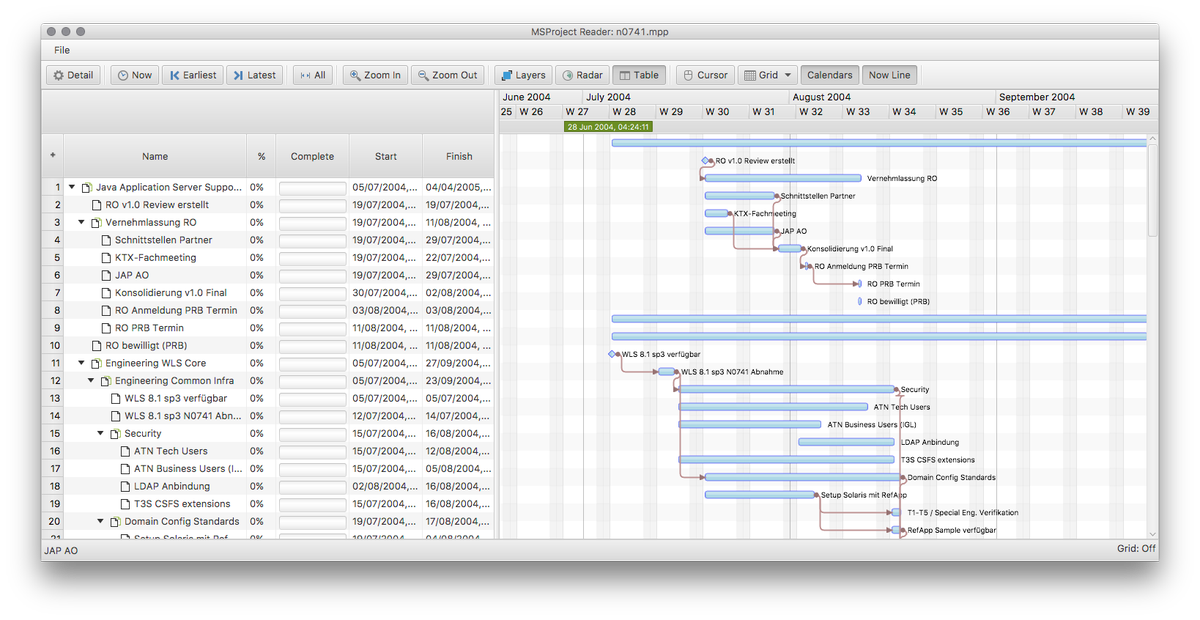
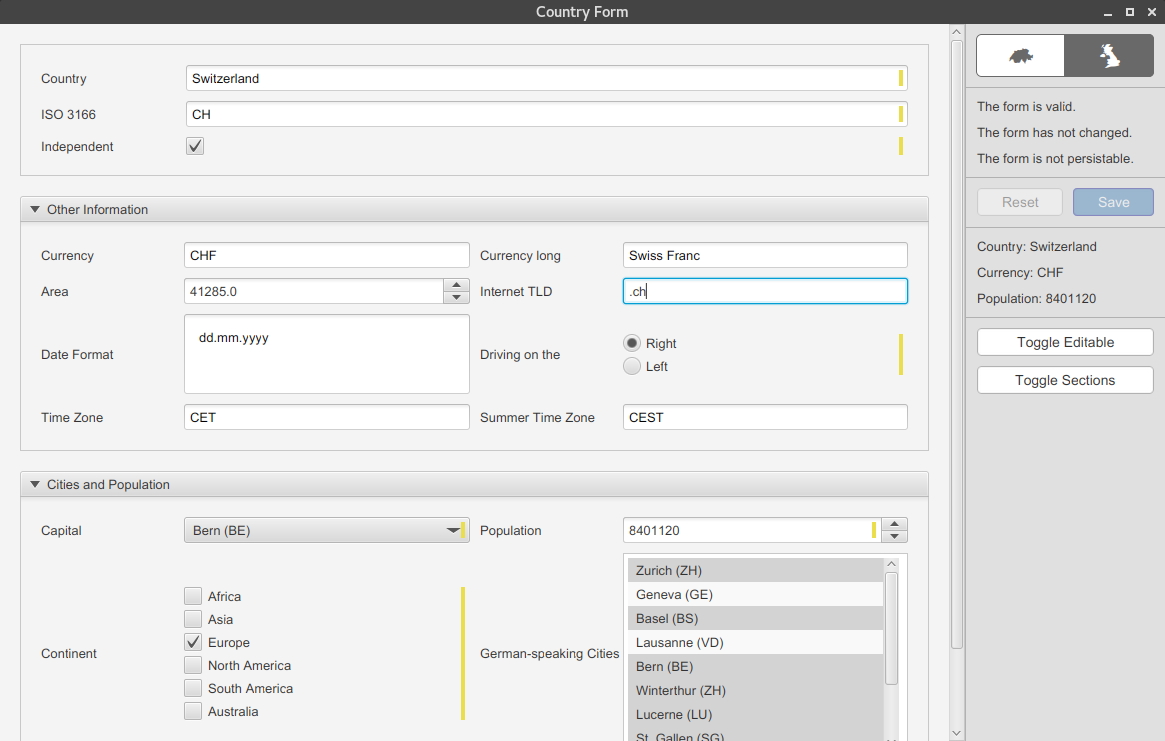
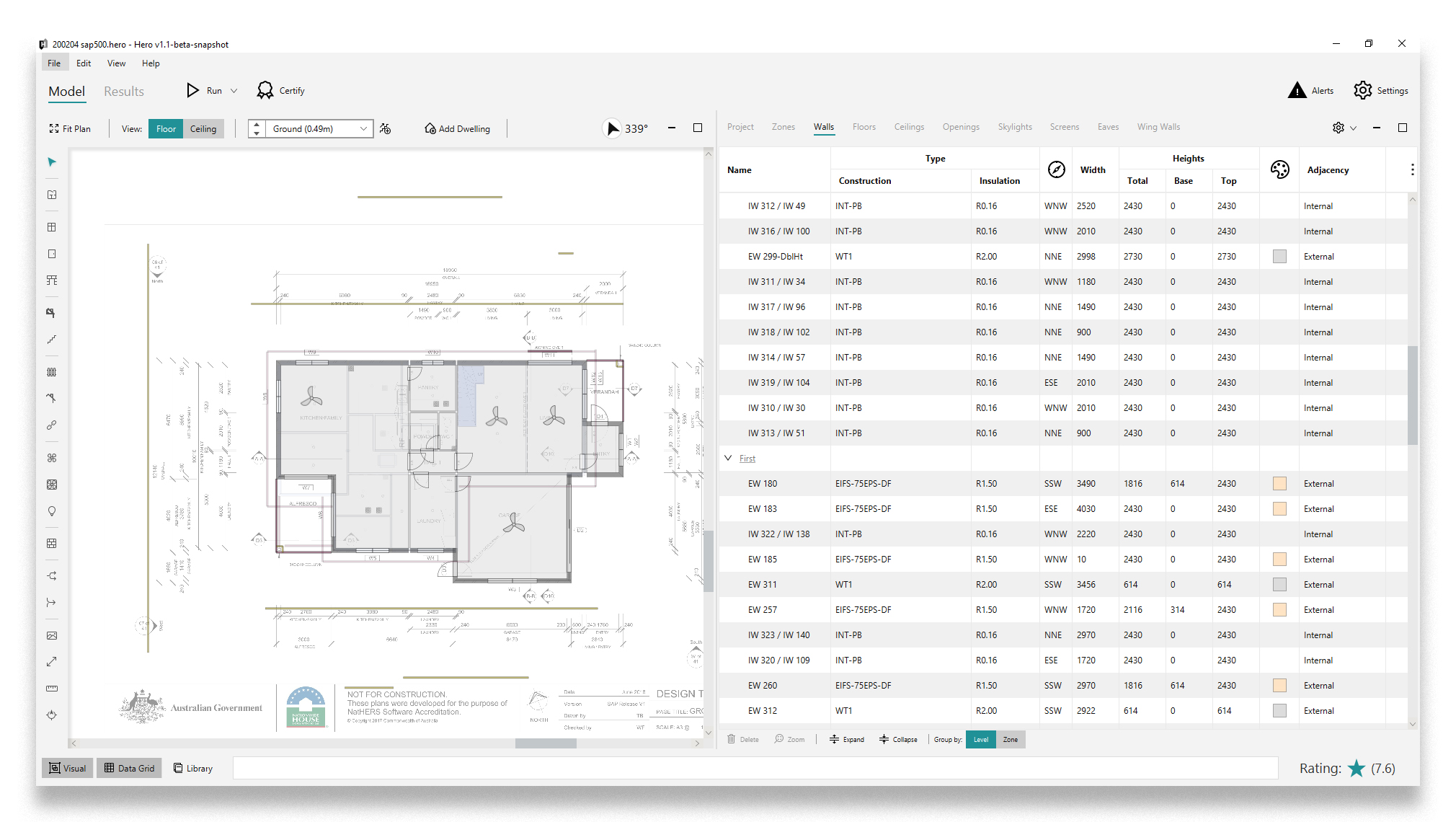
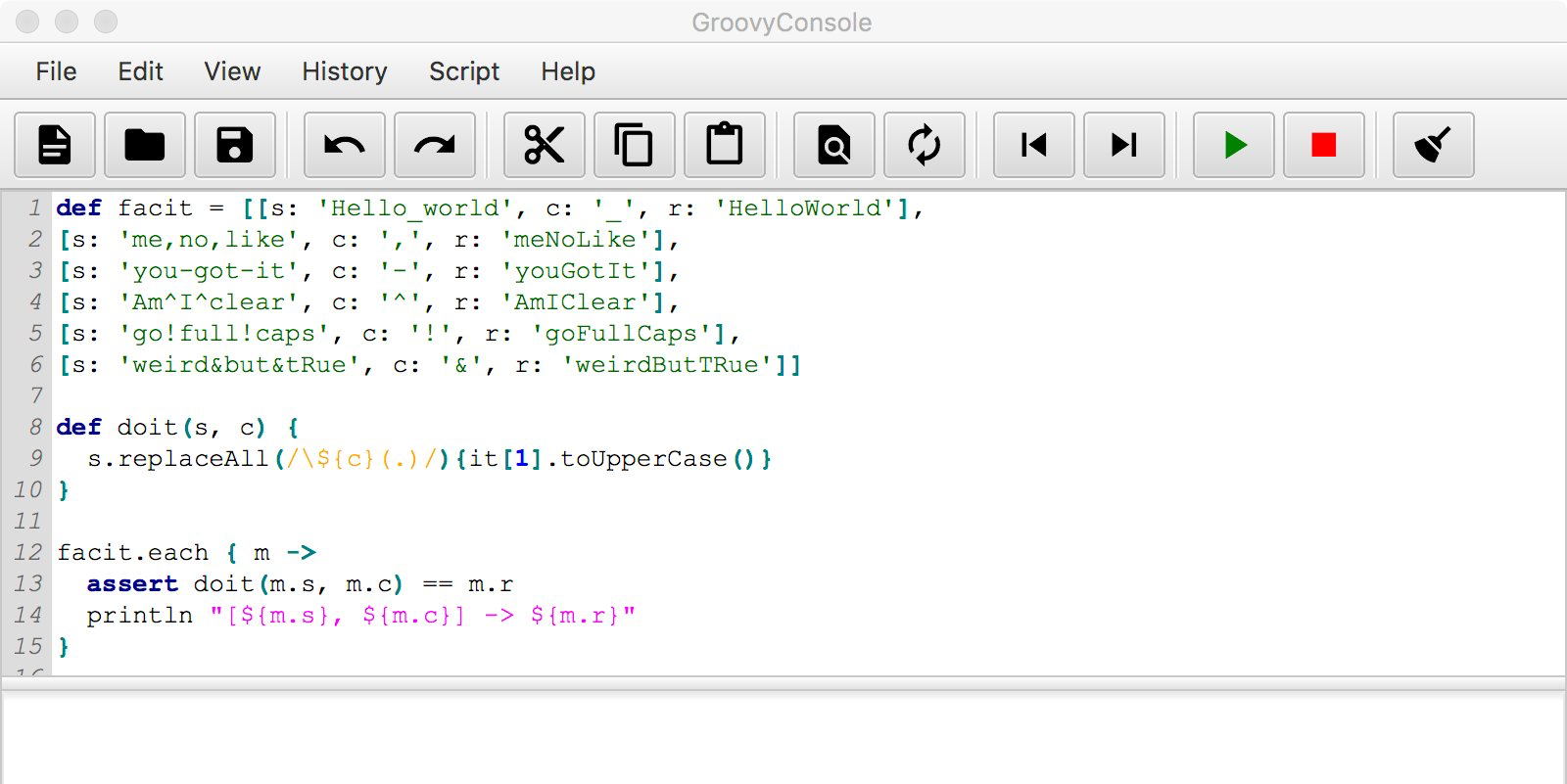
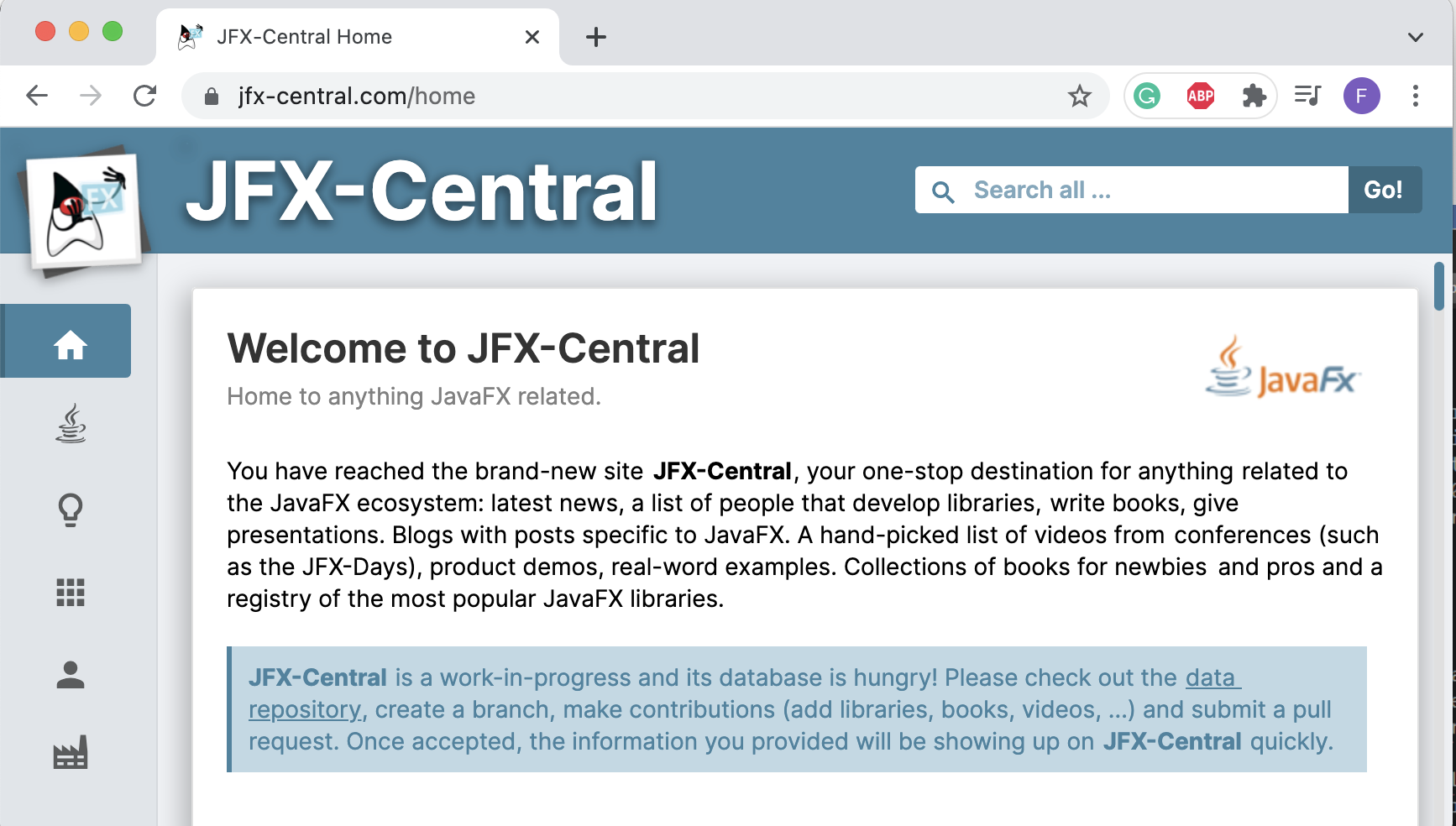
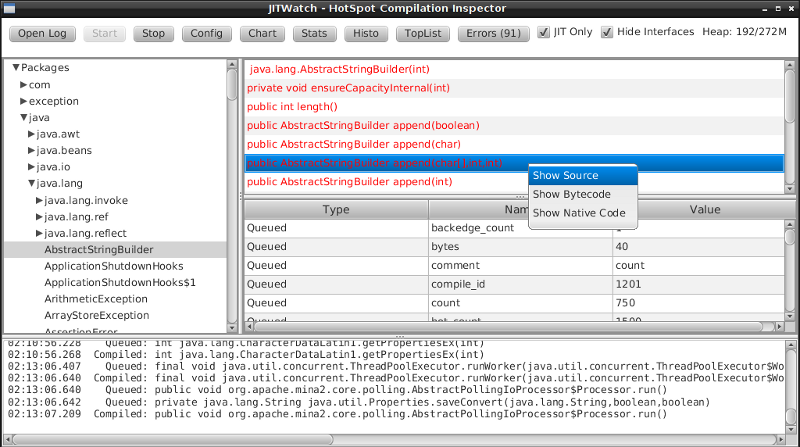
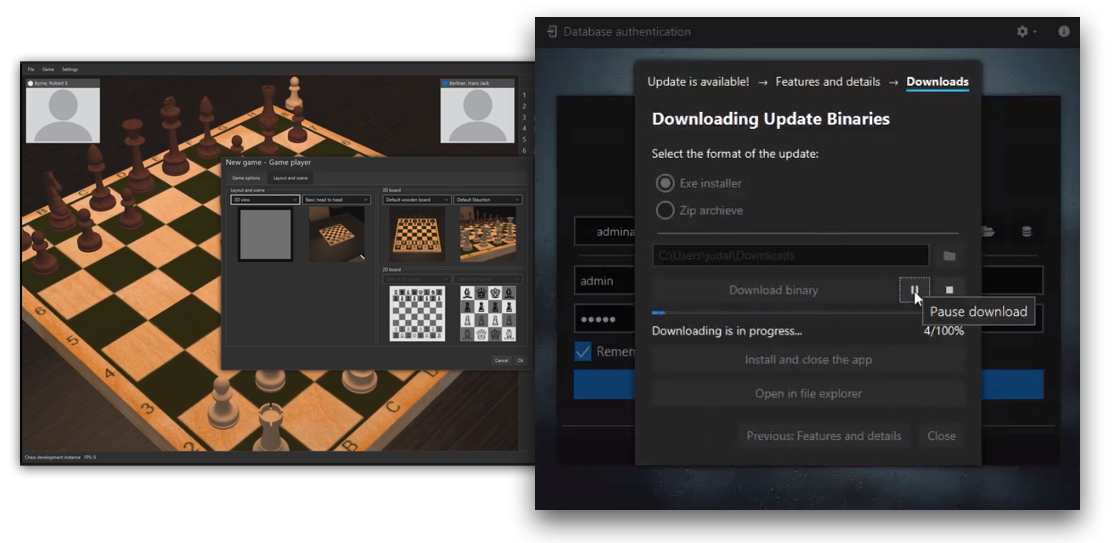
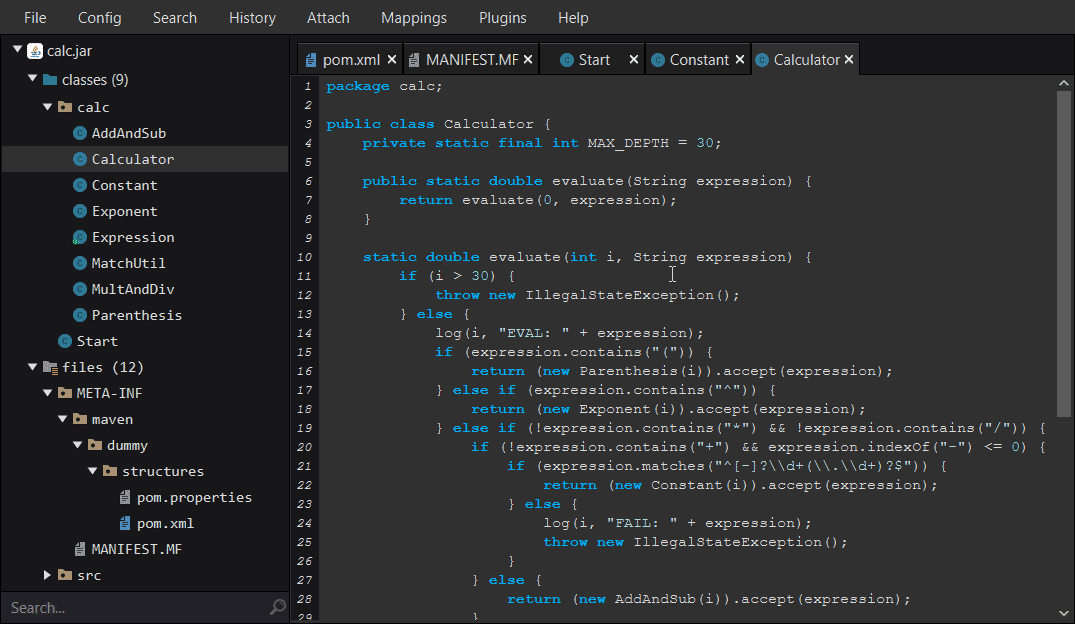
JavaFX runtime is available as a platform-specific SDK, as a number of jmods, and as a set of artifacts in Maven Central.
JavaFX, also known as OpenJFX, is free software; licensed under the GPL with the class path exception, just like the OpenJDK.
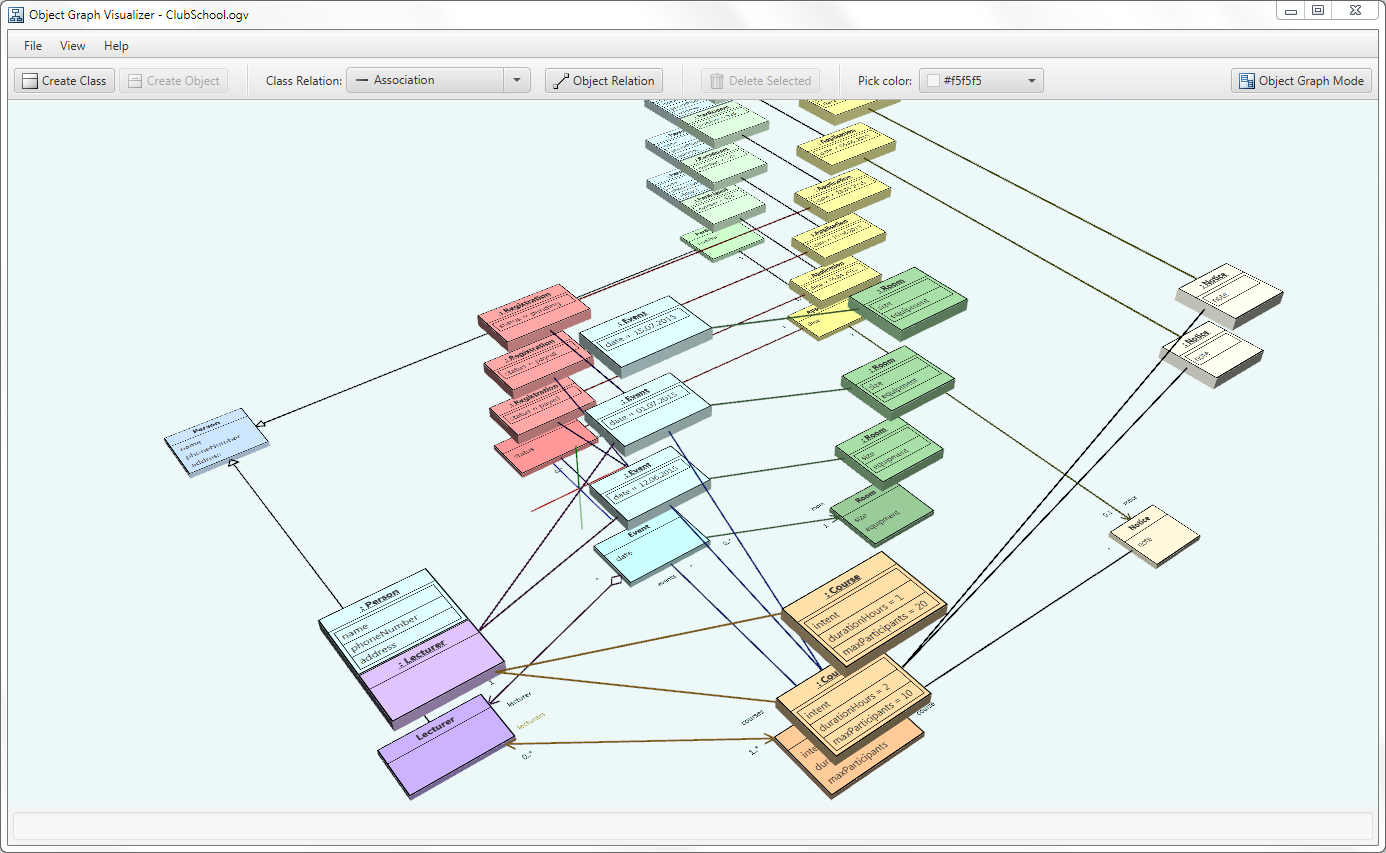
Create beautiful user interfaces and turn your design into an interactive prototype. Scene Builder closes the gap between designers and developers by creating user interfaces which can be directly used in a JavaFX application.
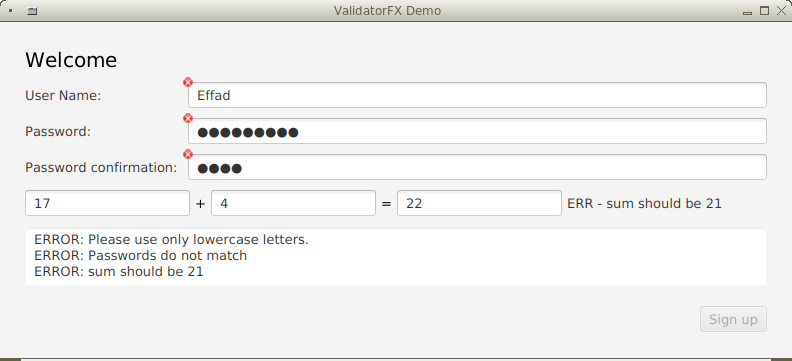
TestFX allows developers to write simple assertions to simulate user interactions and verify expected states of JavaFX scene-graph nodes.
Season 6 is defined by Red’s imprisonment and his subsequent legal battle. In Paradise Lost , we see the psychological toll this takes on the Task Force, particularly Liz Keen. The episode masterfully balances Liz’s dual loyalty: her professional duty to the FBI and her personal obsession with uncovering the truth about the man calling himself Reddington. The irony of the title, Paradise Lost , reflects the erosion of the stable, albeit deceptive, status quo that the characters once inhabited. The Search for Truth
"Paradise Lost" is a bridge episode that sets the stage for the season’s climax. It reinforces the idea that secrets are the currency of this universe. Red’s ability to manipulate events from a cell demonstrates his near-superhuman foresight, while Liz’s persistent digging signals the eventual collapse of his carefully constructed facade. [S6E10] Paradise Lost
Ultimately, the episode reinforces the show’s central thesis: that identity is fluid and that "paradise"—a state of peace and truth—is often sacrificed in the pursuit of power and survival. By the end of the hour, the Task Force may have closed another file, but the characters are further than ever from finding their own version of peace. Season 6 is defined by Red’s imprisonment and
While the Task Force chases the Cryptobanker, the emotional heart of the episode lies in Liz’s clandestine investigation into Red’s past. Her alliance with Jennifer Keen adds a layer of desperation and urgency. They are looking for a "paradise" of clarity—a world where they finally know their true origins—but every discovery seems to lead to more shadows. This episode emphasizes that for Liz, knowledge is a double-edged sword; the more she learns, the further she drifts from the person she used to be. Narrative Significance The irony of the title, Paradise Lost ,
The Paradise Lost episode of The Blacklist (Season 6, Episode 10) serves as a critical junction where the show’s procedural elements collide with its overarching mythology. Centered on the investigation into a mysterious, reclusive organization known as "The Cryptobanker," the episode explores themes of hidden identities, moral ambiguity, and the cost of maintaining secrets in a world of high-stakes espionage. The Procedural Core: The Cryptobanker
The episode’s primary "Blacklister" is a master of digital laundering who facilitates untraceable transactions for the world’s most dangerous criminals. The pursuit of the Cryptobanker highlights the Task Force’s evolving capabilities but also underscores the increasing sophistication of the threats they face. Red’s interest in this particular criminal isn't just about professional housekeeping; it is a calculated move to protect his own empire while he remains incarcerated. This plotline effectively builds tension, illustrating that even while behind bars, Raymond Reddington remains the puppet master of the criminal underworld. Character Dynamics and the Prison Arc