Literature

My Name Is Red File

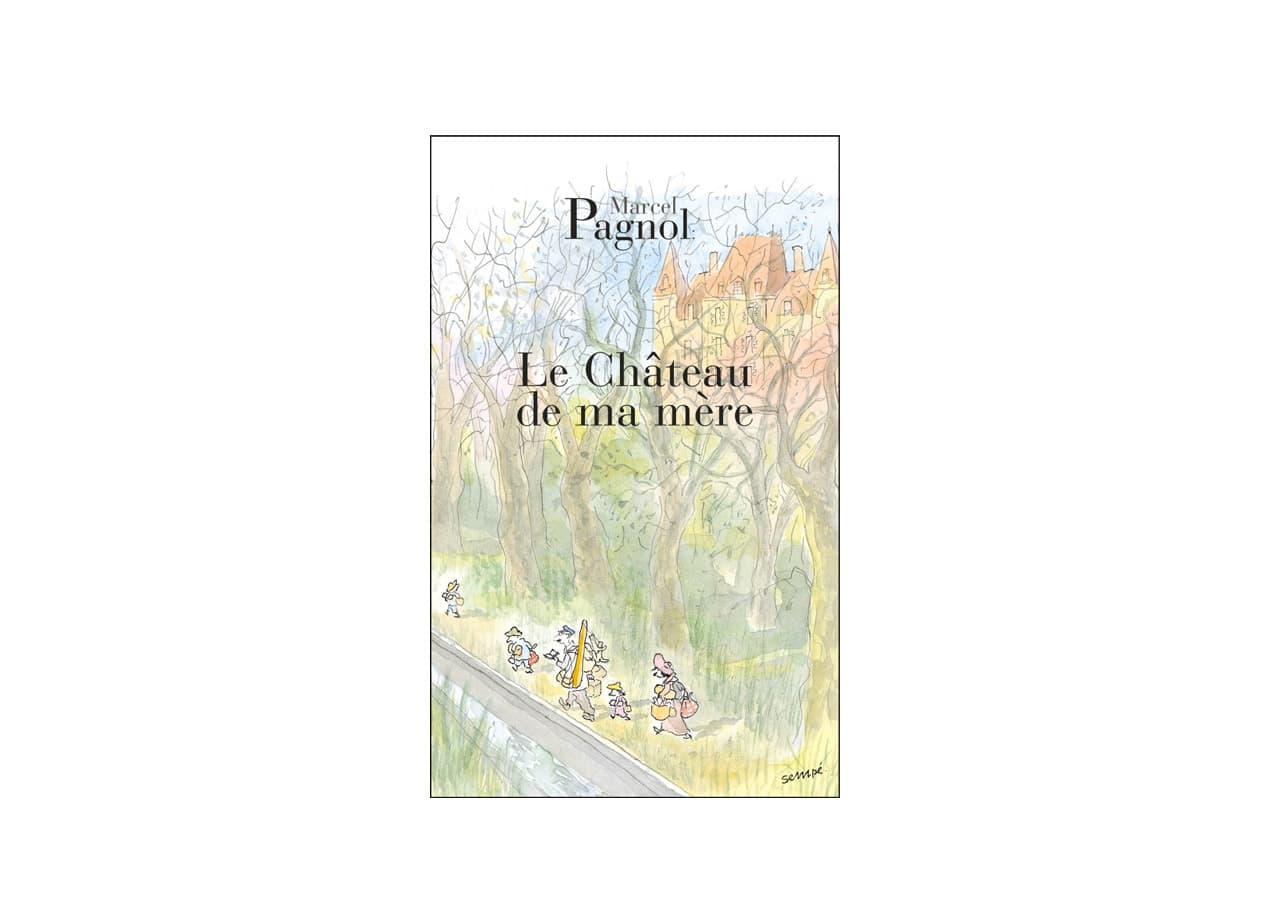
The most beautiful book on child friendship: one morning while hunting in the hills, Marcel meets the little peasant, Lili des Bellons. His vacations and his whole life will be illuminated by it.

The most beautiful book about childhood friendship.

Summary

One year after La Gloire de mon père (My Father’s Glory), Marcel Pagnol thought he would conclude his childhood memories with this Château de ma mère (1958), the second part of what he considered as a diptych, ending with the famous scene of the ferocious guardian frightening the timid Augustine. Little Marcel, after the family tenderness, discovered friendship with the wonderful Lili, undoubtedly the most endearing of his characters. The book closes with a melancholic epilogue, a poignant elegy to the time that has passed. In it, Pagnol strikes a chord of gravity to which he has rarely accustomed his readers.

Hey friend! “
I saw a boy about my age looking at me sternly. You shouldn’t touch other people’s traps,” he said. “A trap is sacred!
” 

– “I wasn’t going to take it,” I said. “I wanted to see the bird.” 

He approached: “it was a small peasant. He was, brown, with a fine Provencal face, black eyes and long girlish lashes.”

Buy online

You will also like:

My Name Is Red File

The novel frequently references how color, specifically red, is understood and experienced, often merging the philosophical with the visual. Heresies of the Paintbrush - The New York Times

Identity, memory, love, and the philosophical implications of artistic representation are central. Structure and Style My Name is Red

The novel explores the conflict between Eastern, memory-based art and Western, perspective-driven painting. The novel frequently references how color, specifically red,

While historical in setting, the novel uses postmodern techniques to discuss art and philosophy. The novel frequently references how color

My Name Is Red acts as a reflection on the "crisis of identity" that the Ottomans passed down to modern Turkey.

The book offers a detailed, insightful look into the meticulous, often secretive world of Ottoman miniaturists, where artists aimed for perfection rather than individual expression.
The novel frequently references how color, specifically red, is understood and experienced, often merging the philosophical with the visual. Heresies of the Paintbrush - The New York Times

Identity, memory, love, and the philosophical implications of artistic representation are central. Structure and Style

The novel explores the conflict between Eastern, memory-based art and Western, perspective-driven painting.

While historical in setting, the novel uses postmodern techniques to discuss art and philosophy.

My Name Is Red acts as a reflection on the "crisis of identity" that the Ottomans passed down to modern Turkey.

The book offers a detailed, insightful look into the meticulous, often secretive world of Ottoman miniaturists, where artists aimed for perfection rather than individual expression.