Loading...




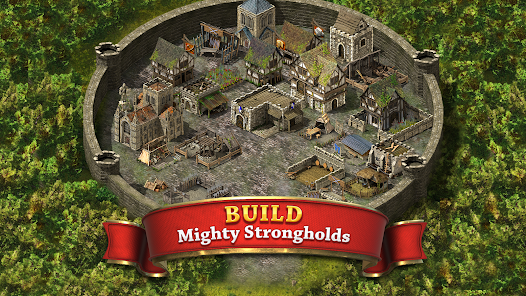
Design your own castle and crush invading hordes with an impenetrable stronghold. Your kingdom awaits and the battle has just begun!
 Build a Medieval Kingdom
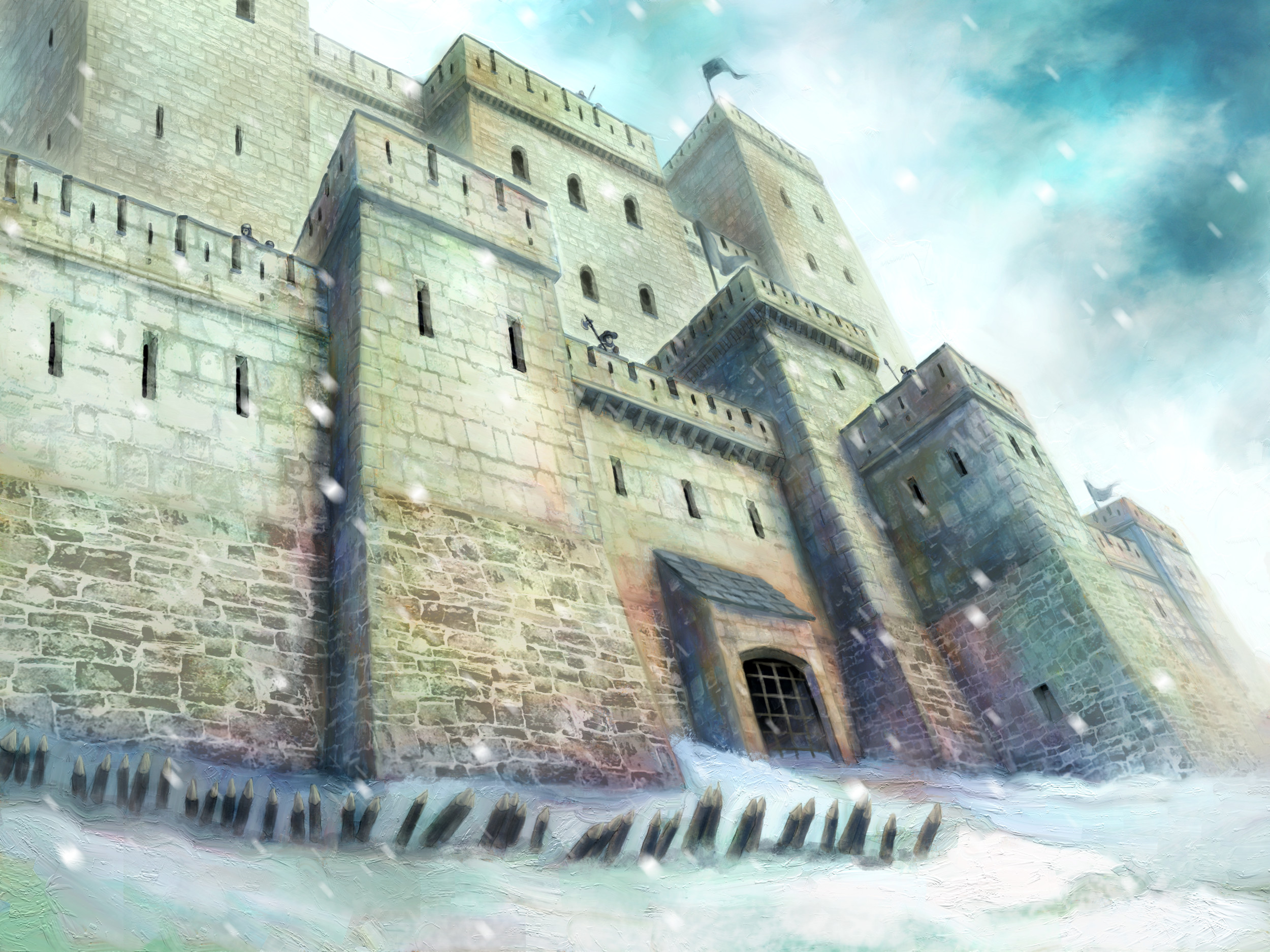
Design mighty castles, forge alliances and fight for the throne in Stronghold Kingdoms - an immersive castle MMO with grand strategy, city-building, castle sieges and political mind games.
 Recruit An Army
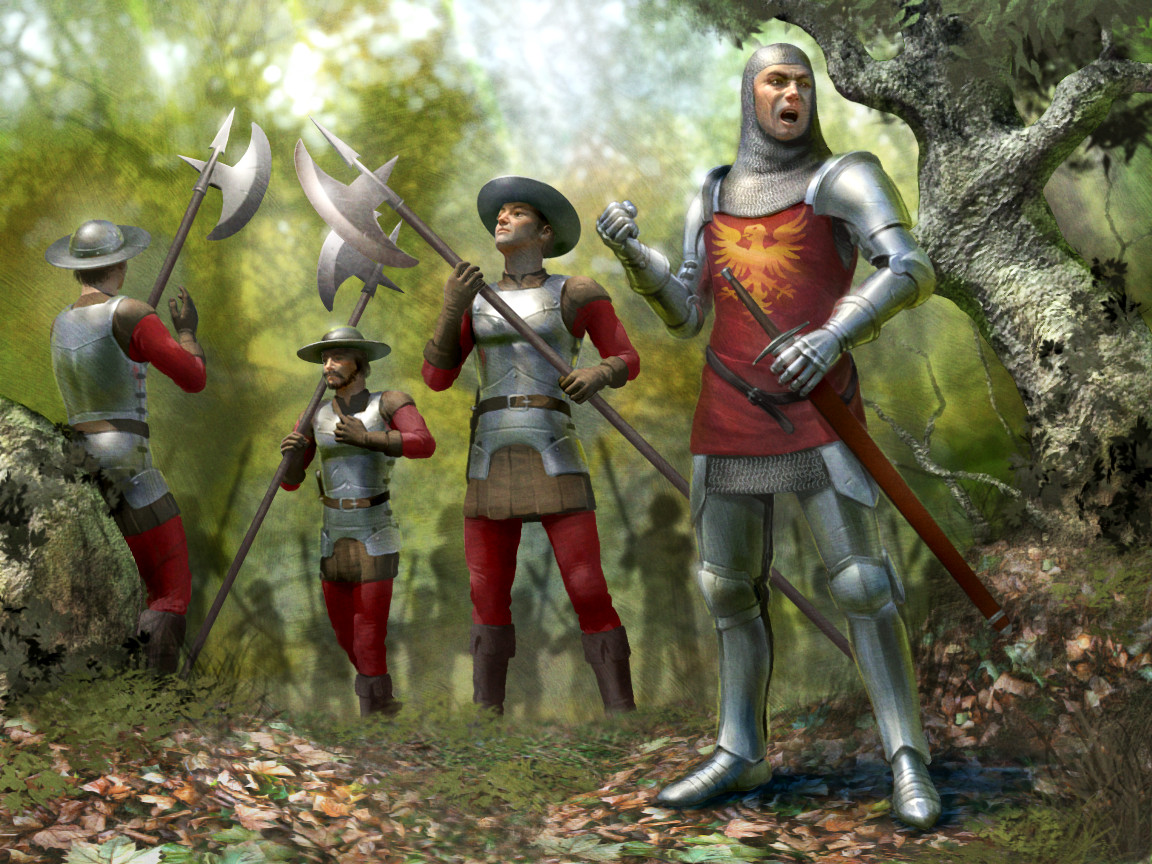
Rally your troops and battle across the World Map, engaging in real-time, PvP warfare with thousands of players worldwide. Cross-play on PC, Mac, iOS and Android, as you expand your empire and lead your friends to victory.

 Rule An Empire
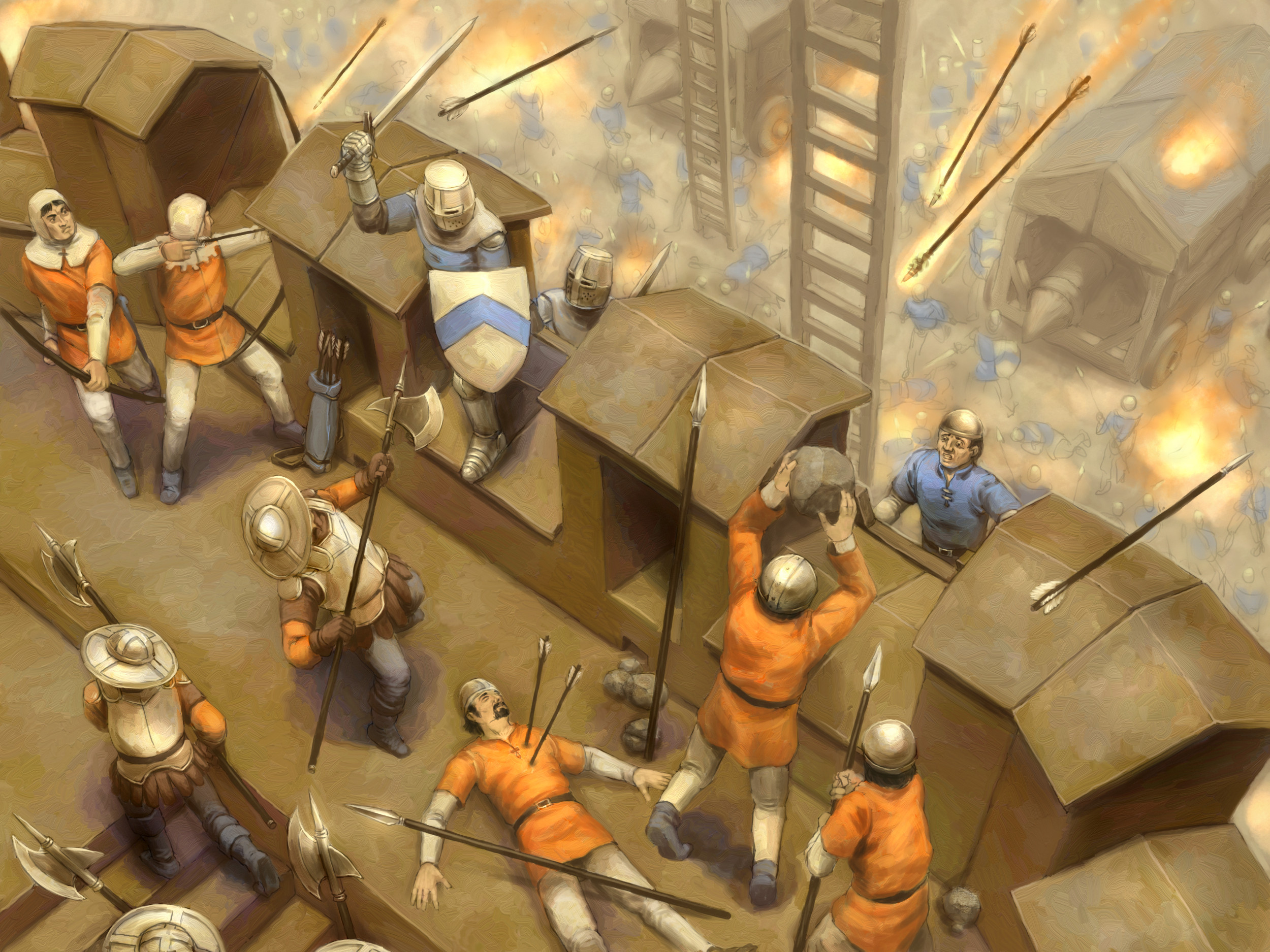
Conquer entire countries as you rise through the ranks and become ruler of your own kingdom. Peaceful diplomat or ruthless warrior? How will you play?
The root of the word "amateur" comes from the Latin amator , meaning "lover." An amateur does something for the love of it, rather than for a paycheck. Consequently, amateurishness is the aesthetic of that love. It is characterized by an lack of artifice. When a professional approaches a task, they bring a toolkit of "best practices"—rules designed to ensure a predictable, high-quality result. But these rules can also act as a cage. The professional knows what is "correct," which often prevents them from attempting what is "interesting."
In the end, embracing a bit of amateurishness is an act of bravery. It requires the willingness to be "bad" at something in public for the sake of growth and joy. By celebrating the unpolished and the imperfect, we reconnect with the fundamental reason we create in the first place: not to be the best, but to express the unique, messy reality of being alive.
The amateur, by contrast, doesn't know the rules well enough to be constrained by them. This leads to mistakes, yes, but it also leads to idiosyncrasy. In the history of art and technology, some of the most profound breakthroughs came from an amateurish disregard for "how things are done." The early days of punk rock were defined by amateurishness; the fact that the musicians could barely play their instruments was precisely what gave the music its urgent, democratic energy. It signaled that anyone could—and should—create.
The word "amateurishness" often carries a sting. It brings to mind the shaky camera work of a home movie, the mismatched colors of a DIY renovation, or the clumsy prose of a first-time novelist. In a world obsessed with professional polish and algorithmic perfection, to be "amateurish" is usually seen as a failure of skill or a lack of serious intent. However, if we look closer, amateurishness is not just a deficiency; it is the raw, unrefined state of human creativity that professionalization often kills.
Furthermore, there is a profound honesty in amateurishness. In a digital age where every photo is filtered and every "influencer" follows a scripted aesthetic, the rough edges of the amateur feel real. There is a "human fingerprint" on things that aren't quite perfect. A hand-knit sweater with a dropped stitch or a garden with slightly crooked rows tells a story of effort, time, and personal presence that a factory-perfect product cannot replicate.
Of course, amateurishness has its limits. We don't want an amateurish pilot or a surgeon who "just loves" anatomy but hasn't mastered the technique. Technical fields require the rigor of professionalism to ensure safety and function. But in the realms of self-expression, hobbies, and community building, we should be careful not to polish away the "amateur" spirit.